Building My Creative Portfolio as a Real World System

Typography plays a central role in visual hierarchy and readability. I used Geist Sans and Geist Mono, paired with precise baseline alignment and fluid scale to ensure crisp legibility across all viewport sizes. Layouts are mathematically proportioned to prevent awkward wrapping or layout shifts.
Design & Experience
Visually, I aimed for calm and intentional motion. I am not interested in animation for decoration alone. I used Framer Motion and GSAP for transitions and interaction feedback, which improve clarity and flow. In some areas, I experimented with subtle dynamic backgrounds and visual systems to add depth without distracting from content.
The site supports both light and dark themes using next-themes, allowing user preferences to persist across sessions. Small interaction details like smooth scrolling, responsive feedback, and gentle transitions were tuned carefully, especially for mobile users. These details are subtle, but together they make the site feel thoughtful and alive.
Content Management & Workflows
Content management is intentionally simple and transparent. Everything is managed through Git. Blog posts are written in MDX, which allows long-form writing to live alongside interactive components when needed. Portfolio projects are defined using structured JSON combined with MDX, making them easy to update, review, and extend. Static interface text is stored in centralized JSON files, keeping content separate from logic and making structured editorial updates easy to audit.
For internal editing and admin workflows, I use a headless Tiptap editor. This gives me flexibility without locking the system into a heavy or opaque CMS. I value being able to see and control my content directly, without abstraction getting in the way.
Performance, SEO & Infrastructure
Performance and SEO were considered from the very beginning, not added later. I implemented structured data using JSON-LD to describe the site as a person, an organization, and a professional service. Metadata for OpenGraph and social sharing is generated dynamically using Next.js APIs. Images are optimized with next/image, and blur placeholders help maintain layout stability while content loads.
Analytics are integrated thoughtfully using Vercel Analytics, Google Analytics GA4, and Google Tag Manager. Everything is loaded in a way that protects core web vitals and avoids blocking rendering. I want insight into how the site is used, but never at the cost of user experience.
On the services side, the contact system uses Resend for reliable email delivery without maintaining a traditional backend, aligning with my professional Web Development Services. Secure areas of the site are protected using NextAuth, keeping authentication flexible and future-ready. GitHub integration through Octokit supports content workflows and admin features, while server-side static rendering keeps repeat navigation fast.
To keep the project healthy over time, I built custom scripts that automate checks for content validation, asset optimization, deployment readiness, and type safety. These tools reduce manual error and make it safer to evolve the system as new content and features are added.
At a structural level, everything in the site has a clear place. Blog posts live as MDX files in a dedicated directory. Portfolio projects use structured data combined with rich content. This organization keeps the system predictable, scalable, and easy to reason about.
This portfolio is not just a collection of work. It is a reflection of how I think about design, development, and systems. It shows how I approach building things with intention, clarity, and respect for both users and long-term maintainability.

Qudama Rafiq
Creative Director & Brand Designer with 11+ years of experience crafting distinctive visual identities and accessible digital interfaces.
Work With MeRelated Articles
View All
Bridging Pixel and Code: The Architecture of Modern Brand Identities
How Qudama Rafiq bridges print craftsmanship, CreativeGLE brand systems, and Next.js engineering to architect modern, scalable brand identities.
Read More
Modern Web Development in 2025: What Every Designer Should Know
A designer's guide to the latest in modern web development. Learn how frameworks, responsive layouts, headless CMS, and performance tools are reshaping the way we design for the web in 2026.
Read More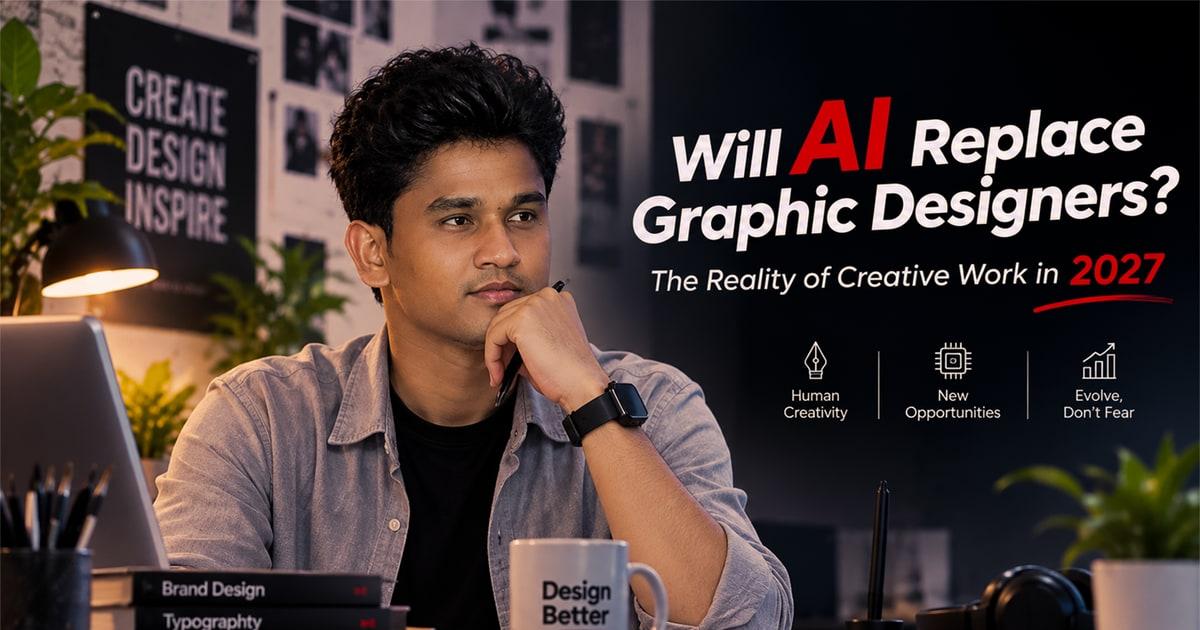
Will AI Replace Graphic Designers? The Reality of Creative Work in 2027
Will AI replace graphic designers in 2027? A studio-level look at why routine production work is shrinking while systems design, UI/UX, and human craft win.
Read MoreReady to Start Your Project?
Let's discuss how we can bring your vision to life with thoughtful design and expert execution.
Get in Touch