Bridging Pixel and Code: The Architecture of Modern Brand Identities
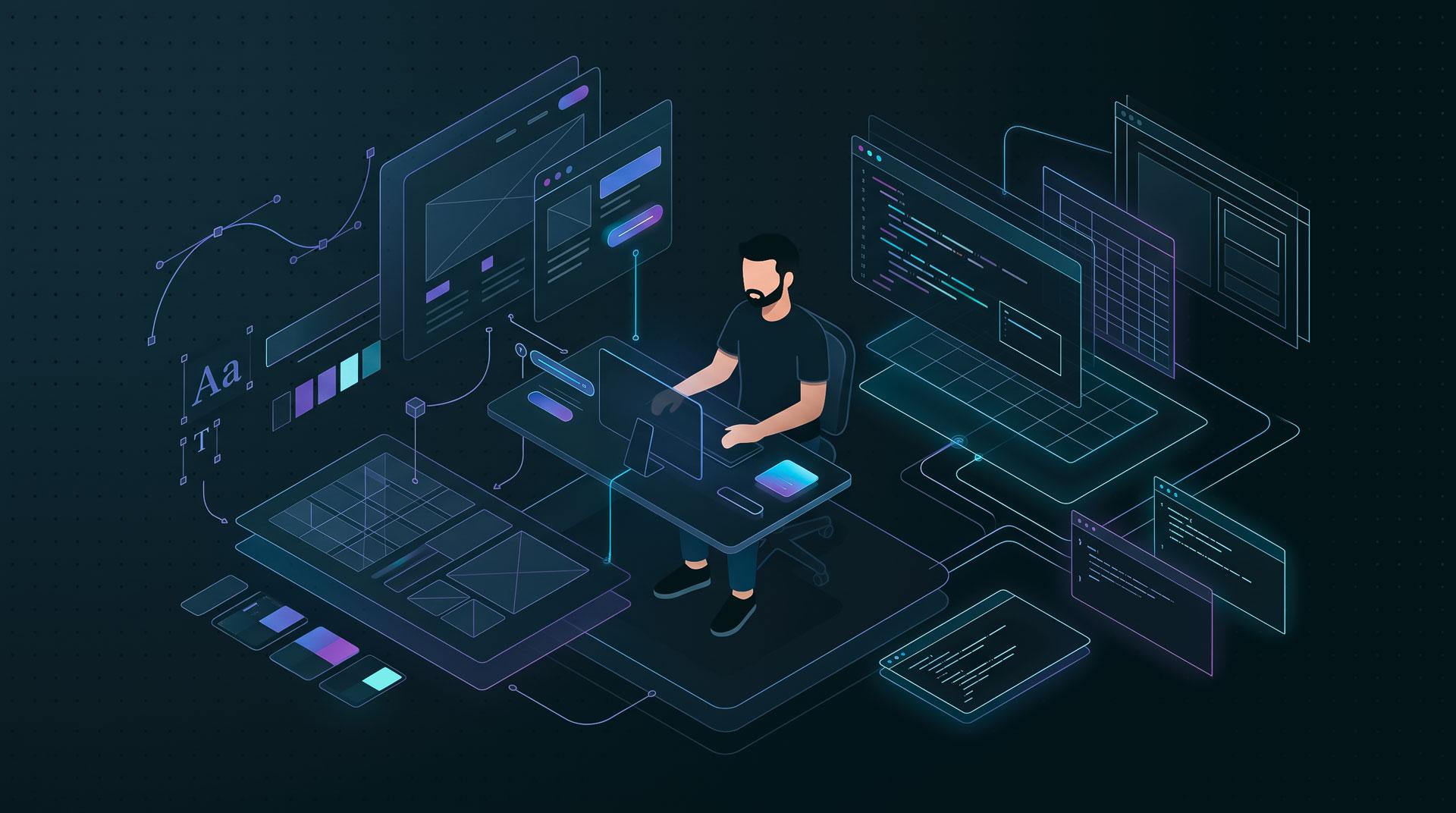
I have always believed that design is a promise, and production is the proof. When I started my journey as a graphic designer in 2014, my goal was simple: make things look right. As the digital landscape evolved, so did my understanding of what design actually requires. Aesthetics alone do not hold an experience together. True design is about architecting how a brand feels, functions, and scales across every medium it touches.
Welcome to my digital space. I work as a multidisciplinary graphic designer, creative director, and front-end web developer. Whether I am calibrating end-to-end workflows at a physical printing press in Muscat or engineering a dark-mode interactive web application in Next.js, the underlying discipline never changes: strict grid structure, deliberate typography, and relentless attention to craft.
The Evolution of CreativeGLE and Royal Graphic Sky
In 2017, I founded CreativeGLE under a clear mantra: "Graphic Layout Elevate." Alongside my solo freelance practice, Royal Graphic Sky, that foundation gave me the opportunity to build brand identity systems and digital footprints for organizations across education, non-profit advocacy, and commerce.
From authoring multi-page brand guidelines for Awaaz for Refugees to conceptualizing the vector presentation system for Rakshak AI, my focus has always been longevity over decoration. A logo is only the anchor. Real brand architecture lies in building a cohesive visual identity and typographic system that translates cleanly from a physical business card to a responsive, three-dimensional web environment.
My Digital Philosophy: Minimalist, Geometric, and Intentional
Spend time inside my portfolio and a clear pattern emerges: I favor a minimalist, Vercel-inspired aesthetic. Flat vector geometry, restrained color palettes, and structured editorial grids form the backbone of my work. Eliminating visual noise lets hierarchy and intent carry the message.
Today, bridging pixel and code requires a toolkit that spans both creative direction and production web development:
- Visual & Print Design: Adobe Creative Suite (Photoshop, Illustrator, InDesign), CorelDRAW, and Figma for vector systems, layout grids, and UI/UX interface design.
- Web Architecture: Semantic HTML, React, Next.js, Tailwind CSS, and Three.js for fast, accessible interfaces and interactive 3D experiences.
- AI Integration: Thoughtful AI-assisted design workflows for early ideation, front-end scaffolding, and advanced retouching—always keeping natural realism and human visual judgment ahead of automated shortcuts.
From the Printing Press to Spatial Computing
My daily routine is a study in productive contrasts. By day, I operate large-format banner printing machinery in Oman, navigating the physical, tactile realities of ink density, CMYK color spaces, and commercial print production. By night, I work independently from my Alienware laptop—shipping full-stack Next.js applications, experimenting with WebGL shaders, and studying the evolving frontier of Spatial Computing and augmented reality.
I am constantly building toward what comes next. Whether I am planning a return to Bihar to establish my own small-scale digital printing press, analyzing how AI will reshape graphic design by 2027, or mentoring young creatives in digital literacy, the mission stays consistent: learn deeply and build things that hold up in the real world.
I engineered this website as a real-world system—not just a static showcase, but a living archive of that process. Inside, you will find documentary photography, UI/UX case studies, and candid notes on where visual craft and web engineering meet.
Success doesn't come to the hopeful; it comes to the relentless. Thank you for being here, and I invite you to explore the work.

Qudama Rafiq
Creative Director & Brand Designer with 11+ years of experience crafting distinctive visual identities and accessible digital interfaces.
Work With MeRelated Articles
View All
Will AI Replace Graphic Designers? The Reality of Creative Work in 2027
Will AI replace graphic designers in 2027? A studio-level look at why routine production work is shrinking while systems design, UI/UX, and human craft win.
Read More
Modern Web Development in 2025: What Every Designer Should Know
A designer's guide to the latest in modern web development. Learn how frameworks, responsive layouts, headless CMS, and performance tools are reshaping the way we design for the web in 2026.
Read More
The New Wave of Graphic Design: Trends Shaping 2025
Graphic design continues to evolve, sometimes in small increments and sometimes through significant creative shifts. As we enter 2025, a fresh wave of ideas, techniques and visual styles is shaping the industry. For designers, it is an inspiring moment because the walls between print, digital, branding and storytelling feel more open than ever. This new era encourages experimentation, personality and smarter workflows that support creativity rather than limit it.
Read MoreReady to Start Your Project?
Let's discuss how we can bring your vision to life with thoughtful design and expert execution.
Get in Touch