The New Wave of Graphic Design: Trends Shaping 2025
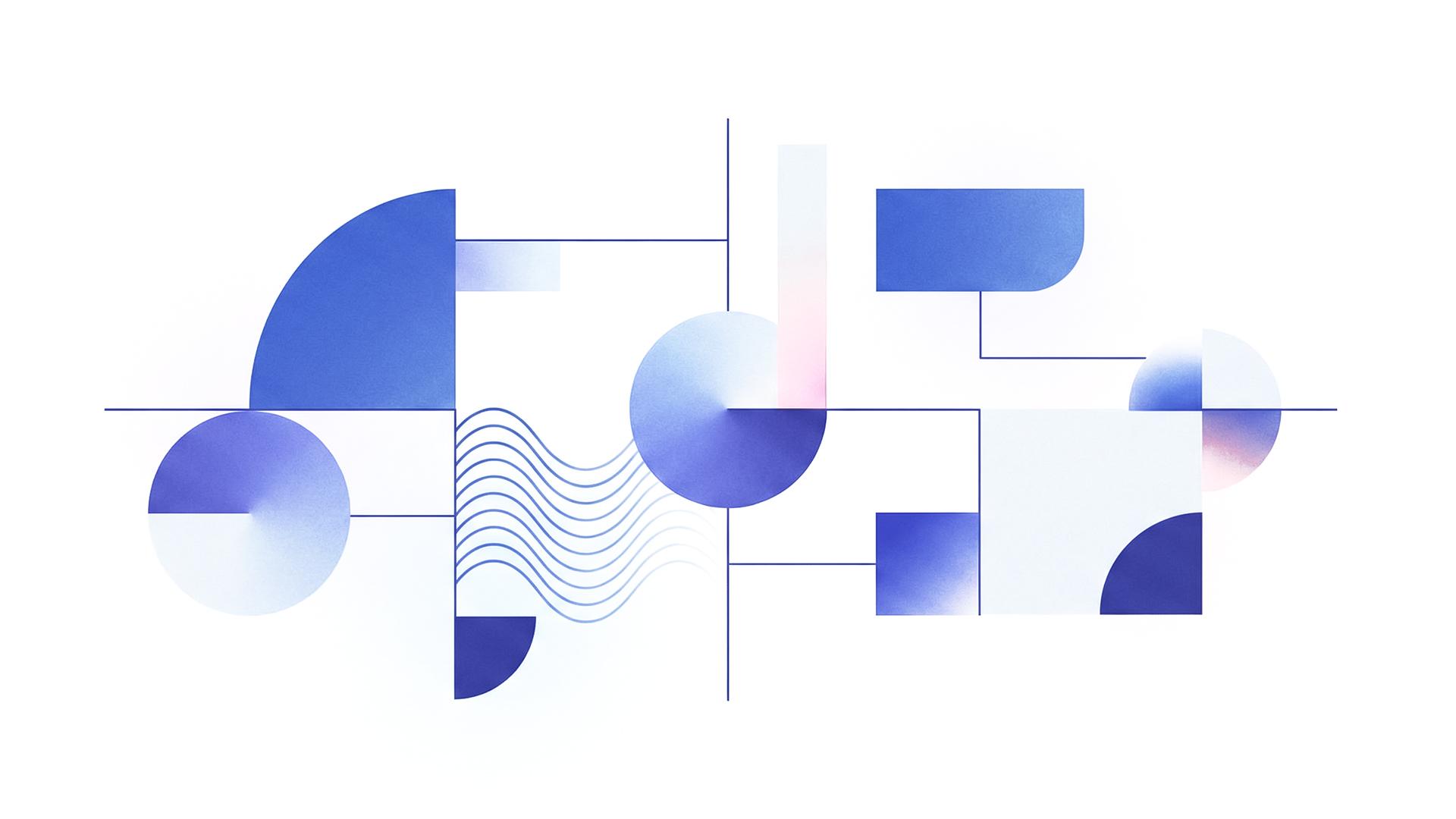
Graphic design continues to evolve, sometimes through subtle adjustments and sometimes through bold, creative shifts. As we move into 2025, a fresh wave of ideas, techniques, and visual styles is reshaping the industry. For designers, this is an exciting moment because the boundaries between print, digital, branding, and storytelling feel more open than ever. This new era encourages experimentation, personality, and smarter workflows that support creativity rather than limit it.
AI-Powered Creativity
Artificial intelligence has become a natural part of the design process. Instead of replacing designers, it speeds up repetitive tasks, generates quick explorations, enhances workflows, and helps refine ideas at a faster pace. It can offer suggestions for layouts, colors, typography, and concept variations in seconds. For experienced designers, AI becomes a supportive partner that frees more time for deep thinking and original creative direction. The final quality still depends on human taste and judgment, which makes AI a tool that amplifies creativity rather than overshadows it.
Bold Minimalism
Minimalism continues to evolve in 2025. It has become stronger, sharper, and more expressive. Clean layouts, precise typography, high contrast, confident spacing, and a focus on essentials define this updated approach. Rather than feeling empty, the work feels intentional and powerful. This style works especially well in branding, posters, digital platforms, and social graphics. With a strong background in typography and Brand Identity Design, bold minimalism naturally connects to your existing strengths.
Textures, Grain and Nostalgic Visuals
Designers are rediscovering the beauty of texture and imperfection. Grainy overlays, handmade patterns, analogue-inspired elements, and vintage color palettes are adding warmth and character to digital work. This shift brings back a human touch that modern design has often lacked. Nostalgia also plays a big role, with influences from the 80s, 90s, and early 2000s being reimagined in fresh and contemporary ways. The blend of retro charm and modern clarity creates visuals that feel emotional and engaging.
Custom Shapes and Expressive Illustrations
As brands strive to stand out, the demand for distinctive and expressive visuals continues to rise. Designers are exploring custom icon sets, unconventional shapes, layered compositions, and bold illustration styles that bring personality to each project. This trend is perfect for designers who enjoy mixing creativity with storytelling. With experience across print and digital media, you can push beyond standard templates and craft work that feels unmistakably original.
The Rise of Dynamic Design
Motion has become a more natural extension of modern design. Animated typography, micro interactions, subtle movements, and light 3D elements are transforming static visuals into immersive experiences. Social media and digital branding platforms amplify the value of motion elements, making them almost essential for designers who want to stay current. Even small animations can add depth, clarity, and energy to a design.
What This Means for Designers
These trends open new doors for creativity and skill growth. They encourage designers to combine solid foundations with new tools, global influences, and fresh visual ideas. With your expertise in branding, typography, print, and digital media, you are well-positioned to thrive in this evolving landscape. By embracing new textures, modern technologies, and innovative storytelling methods, you can expand your creative voice. Trends should inspire, not restrict. Take what feels true to your style, explore freely, and continue shaping a design identity that reflects who you are.

Qudama Rafiq
Creative Director & Brand Designer with 11+ years of experience crafting distinctive visual identities and accessible digital interfaces.
Work With MeRelated Articles
View All
The Architecture of Modern Brand Identities: Print, Systems & Code
Learn how brand identity architecture connects logo marks, print production, design systems, and Next.js engineering into scalable digital brands.
Read More
Will AI Replace Graphic Designers? The Reality of Creative Work in 2027
Will AI replace graphic designers in 2027? A studio-level look at why routine production work is shrinking while systems design, UI/UX, and human craft win.
Read More
Building My Creative Portfolio as a Real World System
Discover how I built my portfolio using Next.js 16, Tailwind CSS 4, Git-backed structured content, and SEO-first engineering.
Read MoreReady to Start Your Project?
Let's discuss how we can bring your vision to life with thoughtful design and expert execution.
Get in Touch