UI/UX in 2025: How Smart Design Creates Better Digital Experiences

Design in 2025 is less about making things look good and more about making them feel right. Smart UI/UX is now deeply personalised, performance-aware, inclusive, and guided by real user data. Through modern UI/UX & Web Design Services, designers make more thoughtful decisions, backed by smart tools, human-centred research, and a commitment to usability that’s stronger than ever.
AI Tools in the Creative Workflow
AI is no longer a distant concept. Tools like Figma now come with AI assistants that help generate layouts, auto-fill content, and suggest design improvements on the fly. These tools reduce friction and open space for exploration. You can sketch an idea, type a prompt, or even use a voice command, and instantly see multiple versions ready to refine.
The focus isn’t automation, it’s augmentation. AI handles repetitive tasks while you focus on direction, identity, and interaction.
Deeply Human-Centred Standards
Accessibility has expanded beyond vision and mobility; now it includes cognitive accessibility, flexible navigation paths, and adaptable text sizes. WCAG 2.2 and other new guidelines prioritise clarity, feedback, and control. Designers are expected to test their work using real user flows, screen readers, and keyboard-only access.
Empathy is now part of the design process. You’re designing not just for the average user, but for everyone, across ages, devices, and abilities.
Personalisation and Predictive UX
Interfaces in 2025 are responsive to users in more than just layout. They adapt to behaviour, history, and preferences. If a user visits your site regularly, your homepage might greet them with content based on past interest or location.
Designers now create flexible structures where content, hierarchy, or even visuals change depending on who’s viewing it. This is especially powerful in e-commerce, SaaS platforms, and publishing, where personalisation drives retention and engagement.
Research, Testing, and Validation
User research is faster and more efficient than ever. You can launch remote testing sessions, get heatmaps and clickflows, and even ask AI to summarise insights in minutes. Designers are expected to run lightweight tests often and continuously, not just at the beginning or end.
This feedback loop means designs evolve quickly and more accurately. It also builds trust with stakeholders who can see decisions backed by data.
Unified Design Across Devices
Most users now experience products across multiple screens. A session might start on mobile and finish on desktop, or even cross into wearable or voice-based devices. Designers now plan for continuity, not just layout. Transitions, brand feel, and interaction patterns need to stay recognisable everywhere.
Consistency is key, but flexibility is essential. Design systems now include mobile gestures, desktop hovers, and voice interactions all in one library.

Qudama Rafiq
Creative Director & Brand Designer with 11+ years of experience crafting distinctive visual identities and accessible digital interfaces.
Work With MeRelated Articles
View All
The Architecture of Modern Brand Identities: Print, Systems & Code
Learn how brand identity architecture connects logo marks, print production, design systems, and Next.js engineering into scalable digital brands.
Read More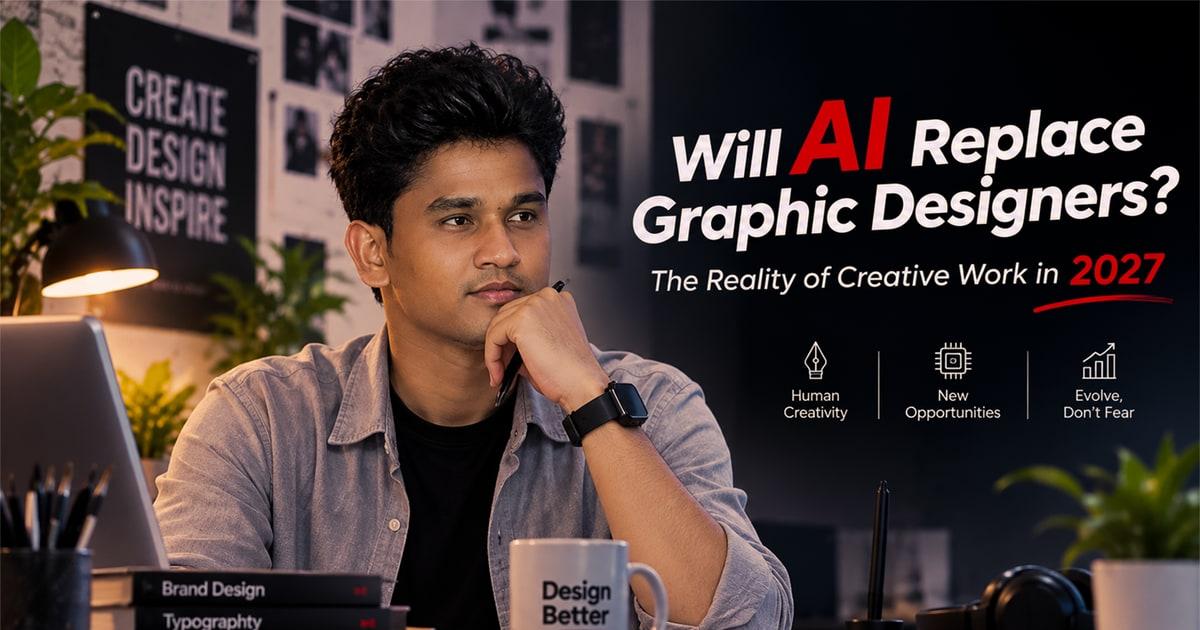
Will AI Replace Graphic Designers? The Reality of Creative Work in 2027
Will AI replace graphic designers in 2027? A studio-level look at why routine production work is shrinking while systems design, UI/UX, and human craft win.
Read More
Building My Creative Portfolio as a Real World System
Discover how I built my portfolio using Next.js 16, Tailwind CSS 4, Git-backed structured content, and SEO-first engineering.
Read MoreReady to Start Your Project?
Let's discuss how we can bring your vision to life with thoughtful design and expert execution.
Get in Touch